Estonian Research CouncilEesti Teadusagentuur · PSG1026 · 2025–2028

From Experts to Revolutionaries Ekspertidest revolutsionäärideks

The role of the intelligentsia in Soviet Estonia and East-Central Europe during the late Cold War. Intelligentsi roll Nõukogude Eestis ning Ida- ja Kesk-Euroopas Külma sõja lõpuperioodil.

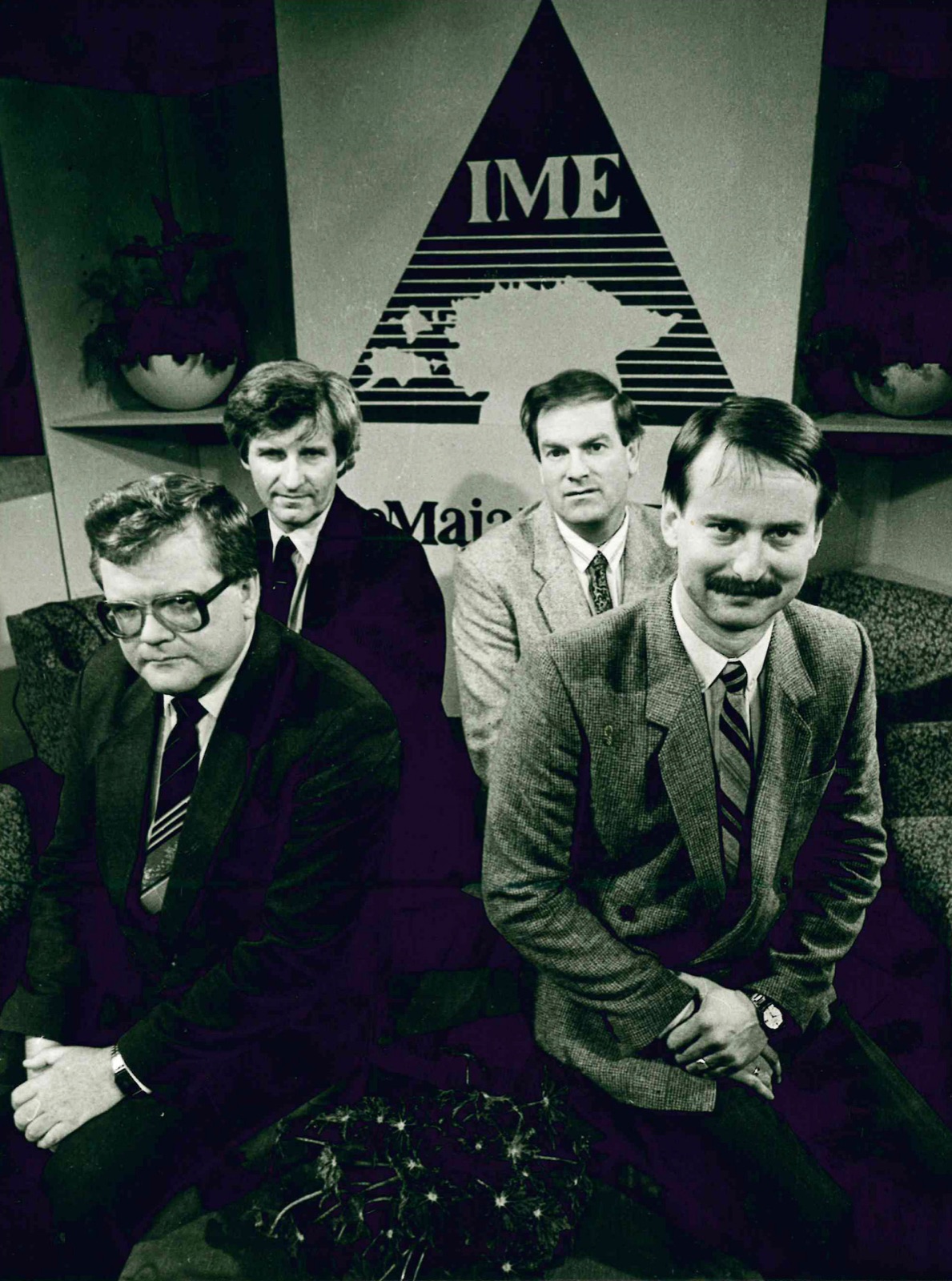
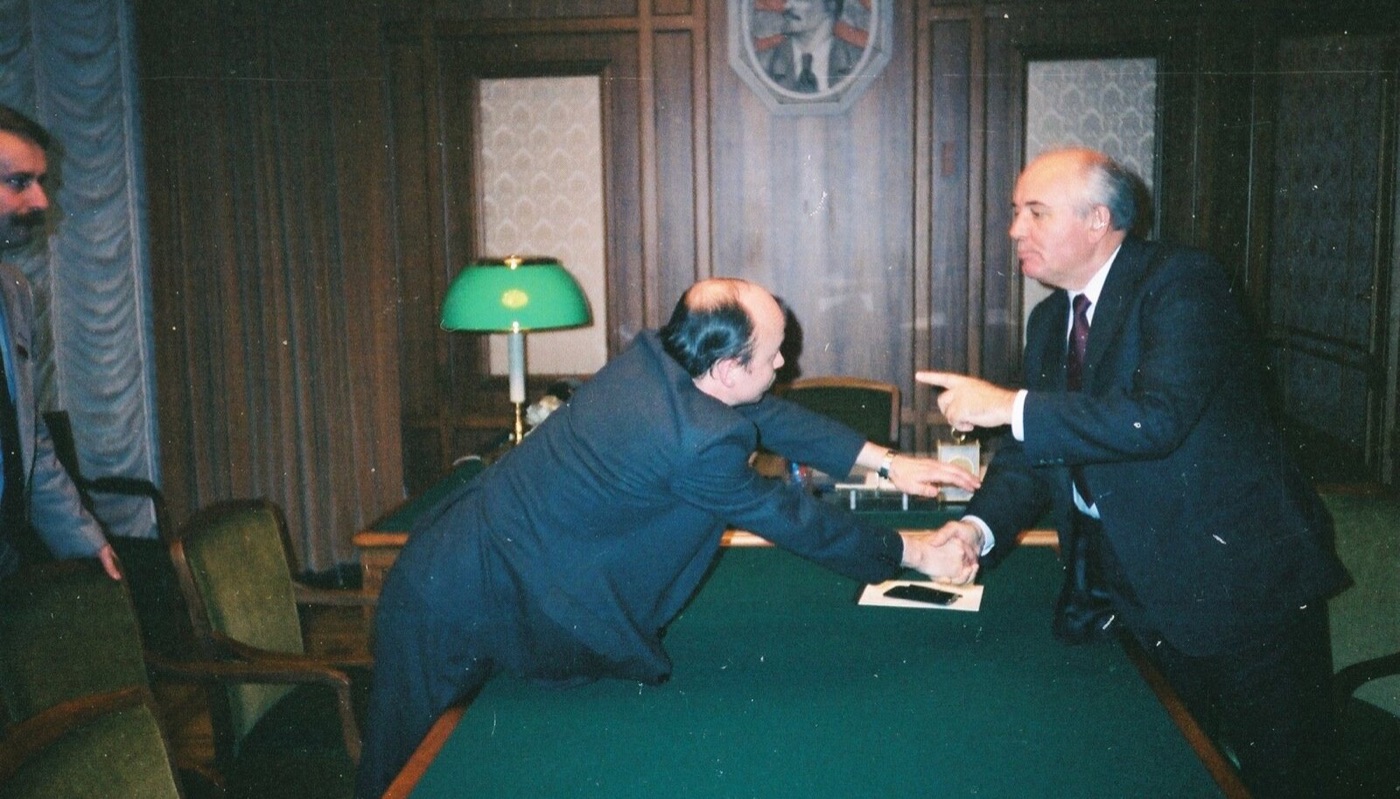
The authors of the IME (‘Self-Managing Estonia’) economic proposal, 1988
The “Self-Managing Estonia” (IME) proposal, 1988 — economic experts who became political reformers. „Isemajandav Eesti” (IME) ettepanek, 1988 — majanduseksperdid, kellest said poliitilised reformijuhid.
Principal InvestigatorVastutav täitja
Juhan Saharov
Host institutionAsutus
Johan Skytte Institute of Political Studies, University of TartuJohan Skytte poliitikauuringute instituut, Tartu Ülikool
FundingRahastus
Estonian Research Council (PSG1026)Eesti Teadusagentuur (PSG1026)
DurationKestus
2025–2028
FieldValdkond
Intellectual history · Political sociologyIdeedeajalugu · poliitikasotsioloogia

01About the projectProjektist

Experts and intellectuals who opened up the political sphereEksperdid ja intellektuaalid, kes avasid poliitilise ruumi

The project studies the role of the expert intelligentsia in late socialism, perestroika, and the 1989 revolutions in Soviet Estonia and East-Central Europe. We suggest that state-socialist experts and intellectuals played a crucial role in opening up the political sphere in the socialist states.

Drawing on new sources, we presume that the networks built by the Estonian expert community with their East European counterparts progressed into political cooperation in the late 1980s. Yet the transnational aspect of these expert networks and conceptual spillovers has previously been left unexplored.

The project presents a novel theoretical approach by exploring the emergence of a transnational expert community and its “languages” from the 1960s to the late 1980s. To this end, it integrates case studies from five countries — the Estonian SSR, the Lithuanian SSR, Czechoslovakia, Hungary, and Slovenia — into a single framework, carried out by an international team of historians.

Projekt uurib eksperdi-intelligentsi rolli hilissotsialismis, perestroikas ja 1989. aasta revolutsioonides Nõukogude Eestis ning Ida- ja Kesk-Euroopas. Meie hüpotees on, et riigisotsialismi eksperdid ja intellektuaalid mängisid sotsialistlike riikide poliitilise ruumi avamisel otsustavat rolli.

Uutele allikatele tuginedes eeldame, et Eesti eksperdikogukonna ja nende Ida-Euroopa kolleegide vahel kujunenud võrgustikud arenesid 1980. aastate lõpus poliitiliseks koostööks. Nende võrgustike ja mõistete ülekande rahvusülest mõõdet ei ole seni uuritud.

Projekt pakub uudset teoreetilist lähenemist, käsitledes rahvusülese eksperdikogukonna ja selle „keelte” teket 1960. aastatest 1980. aastate lõpuni. Selleks koondatakse ühte raamistikku viie maa juhtumiuuringud — Eesti NSV, Leedu NSV, Tšehhoslovakkia, Ungari ja Sloveenia —, mille viib läbi rahvusvaheline ajaloolaste meeskond.

Research objectivesUurimiseesmärgid

  1. The political role of expert languages in state socialism.Eksperdikeelte poliitiline roll riigisotsialismis.
  2. The position of the intelligentsia in Soviet Estonia and East-Central Europe.Intelligentsi positsioon Nõukogude Eestis ning Ida- ja Kesk-Euroopas.
  3. Transnational expert networks and spillovers between Soviet Estonia and East-Central Europe.Rahvusülesed eksperdivõrgustikud ja ülekanded Nõukogude Eesti ning Ida- ja Kesk-Euroopa vahel.
  4. Experts and socialist technocracy in the emergence of neoliberal ideas.Eksperdid ja sotsialistlik tehnokraatia neoliberaalsete ideede tekkes.
  5. The role of women intellectuals in the perestroika movements of the socialist bloc.Naisintellektuaalide roll sotsialismileeri perestroika-liikumistes.
State-socialist experts Perestroika Soviet Estonia East-Central Europe 1989 revolutions Soviet collapse Transnational history

02Project TeamProjektimeeskond

The research teamUurimismeeskond

Historians and political scientists at the University of Tartu, working with an international network of scholars.Tartu Ülikooli ajaloolased ja politoloogid koostöös rahvusvahelise teadlaste võrgustikuga.

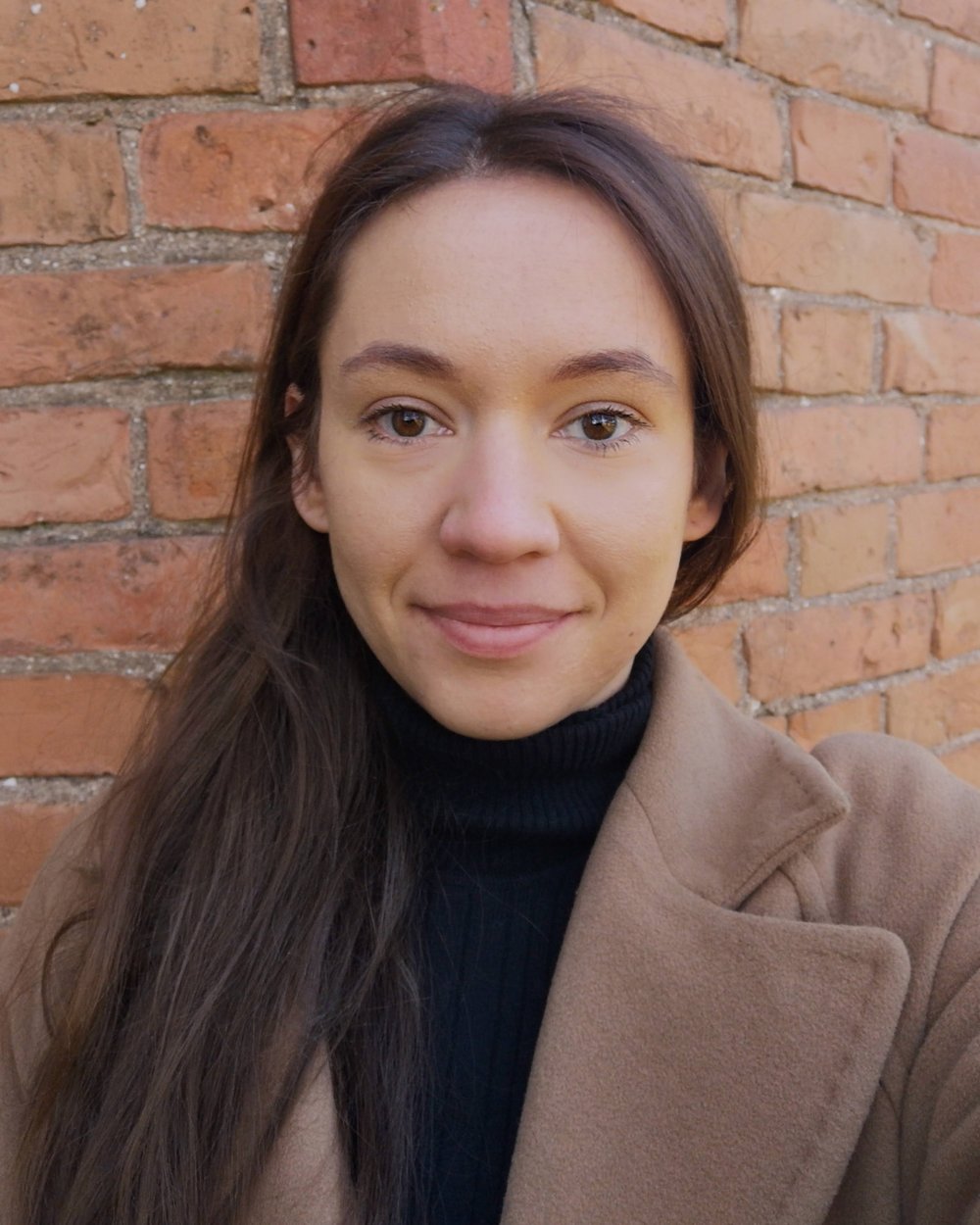
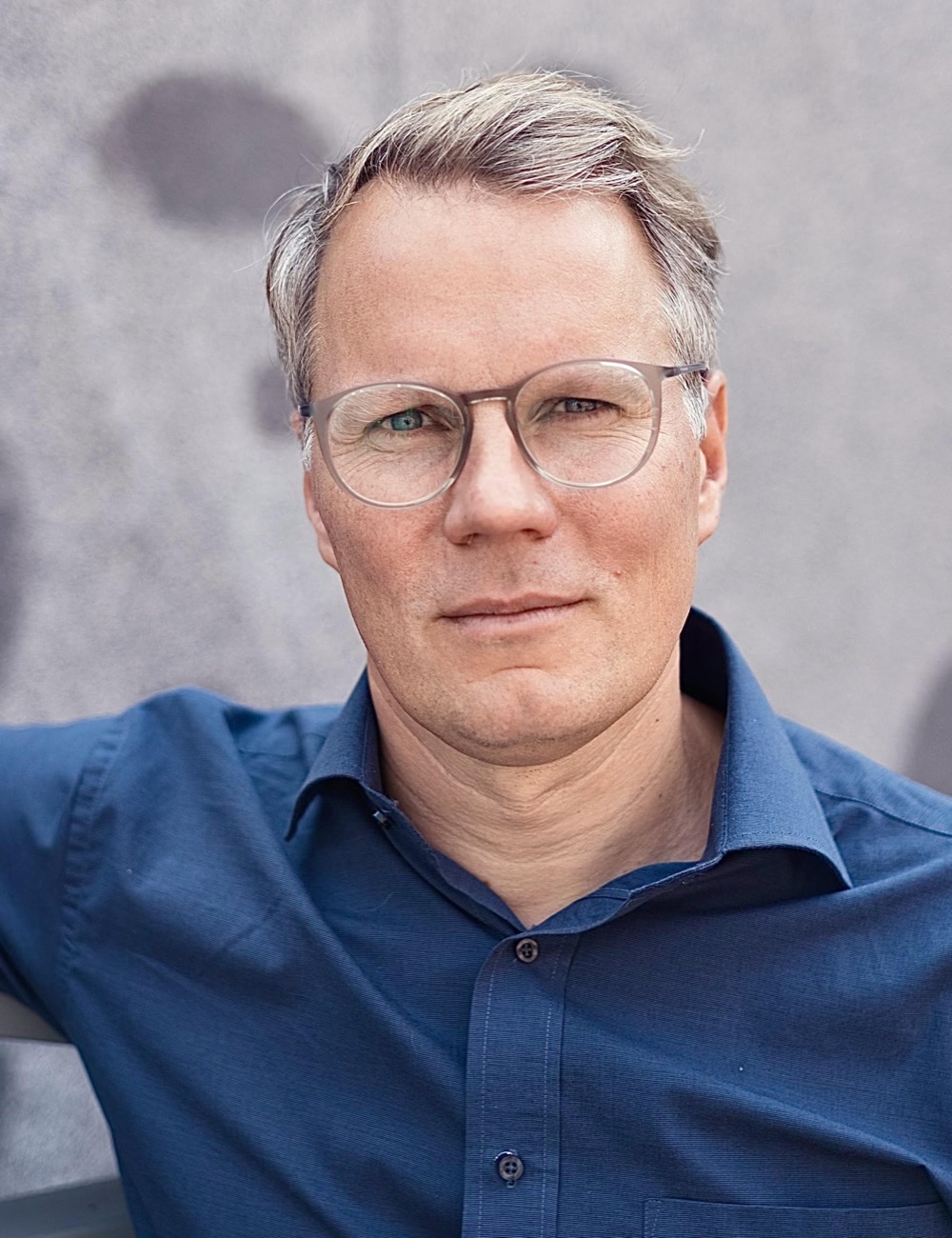
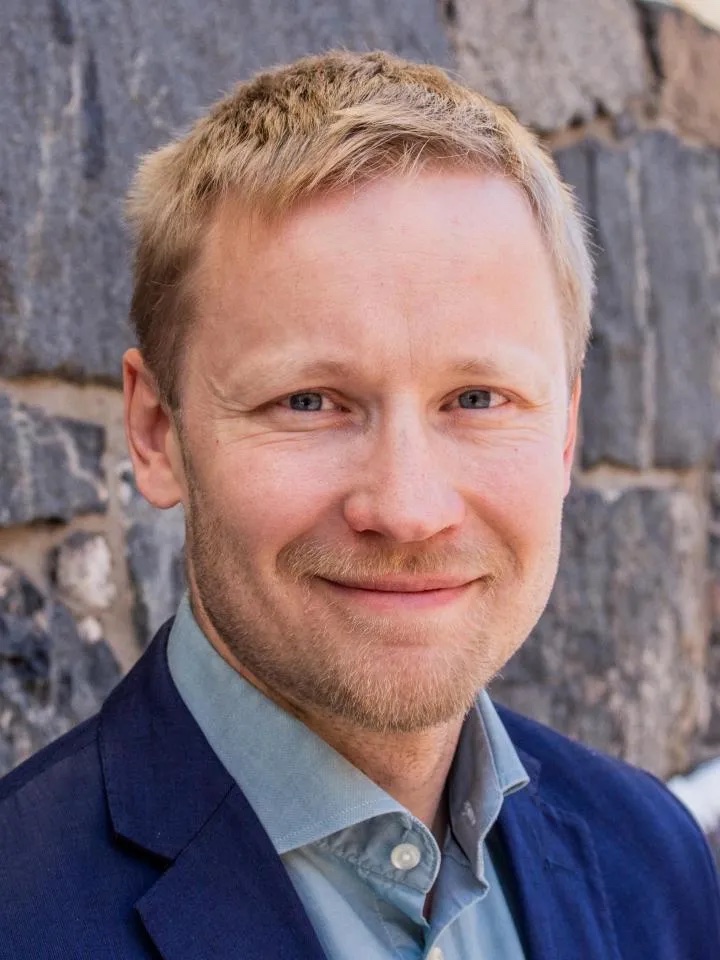
Juhan Saharov

Juhan Saharov

Principal InvestigatorVastutav täitja

Research Fellow in Political Theory at the Johan Skytte Institute of Political Studies. His doctoral dissertation won the Estonian Research Council’s main prize (2021). Visiting fellow at Stanford (CREEES) and the Imre Kertész Kolleg (Jena). Poliitikateooria teadur Johan Skytte poliitikauuringute instituudis. Tema doktoritöö pälvis Eesti Teadusagentuuri peapreemia (2021). Külalisteadur Stanfordis (CREEES) ja Imre Kertész Kollegis (Jena).
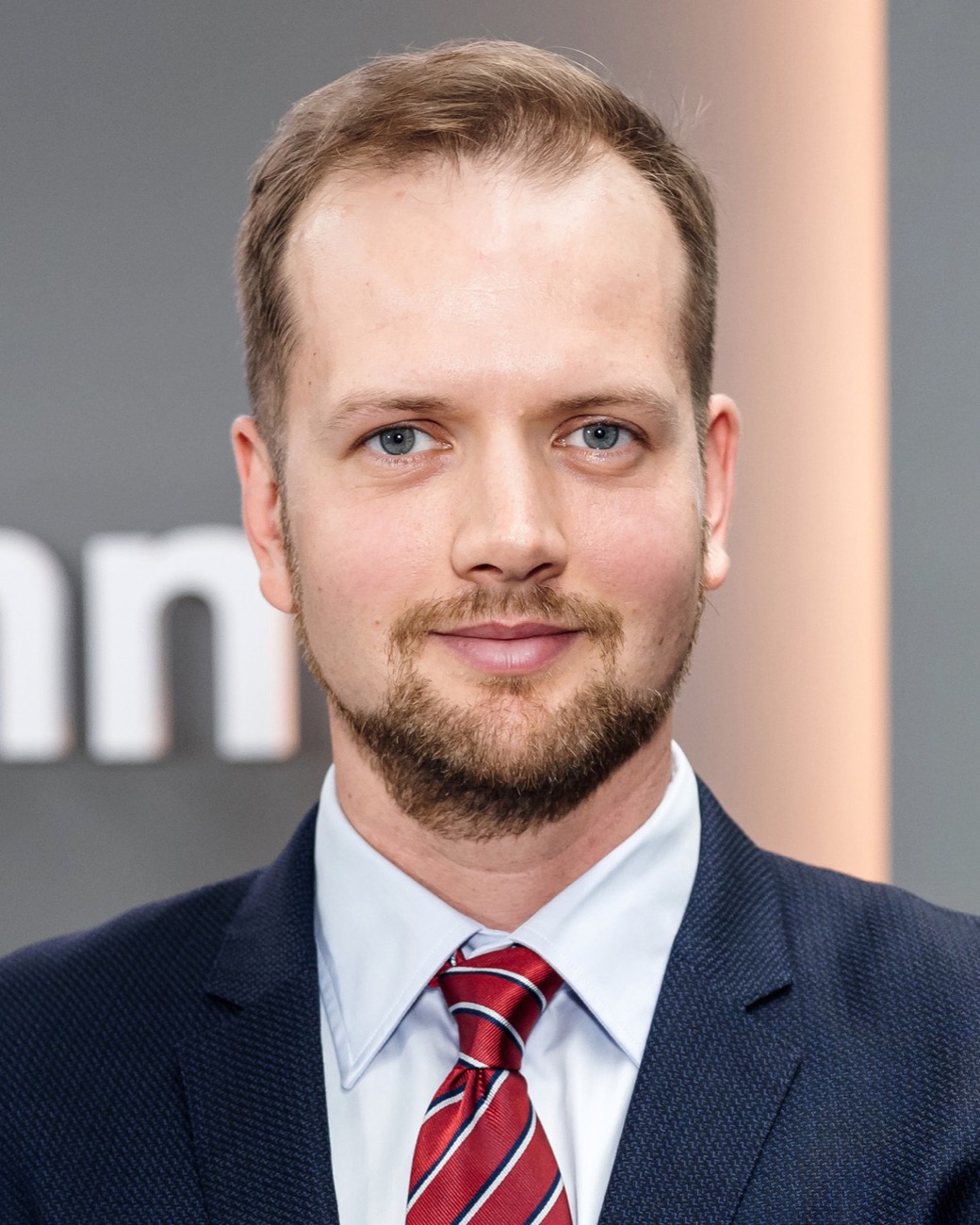
Kaarel Piirimäe

Kaarel Piirimäe

Senior ResearcherVanemteadur

Associate Professor of Contemporary History at the University of Tartu; PhD from the University of Cambridge. Author of a Palgrave Macmillan study on the “Baltic question” during the Second World War. Tartu Ülikooli uusima aja kaasprofessor; doktorikraad Cambridge’i Ülikoolist. Palgrave Macmillani „Balti küsimuse” monograafia autor Teise maailmasõja teemal.

Ivan Lavrentjev

Ivan Lavrentjev

Junior Research Fellow · PhD candidateNooremteadur · doktorant

PhD candidate in contemporary history, researching the technical intelligentsia of the Dvigatel plant in the Estonian SSR and the Russian-speaking minority. MA from the Aleksanteri Institute (Helsinki). Uusima aja doktorant, kes uurib Eesti NSV Dvigateli tehase tehnilist intelligentsi ja venekeelset vähemust. Magistrikraad Aleksanteri instituudist (Helsingi).

Liisa Lail

Liisa Lail

Junior Research Fellow · PhD candidateNooremteadur · doktorant

PhD candidate in contemporary history, studying the spillover of psychiatric expertise from the West to the Soviet Union and the role of women intellectuals in the late Cold War. Uusima aja doktorant, kes uurib psühhiaatriaekspertiisi ülekannet läänest Nõukogude Liitu ning naisintellektuaalide rolli Külma sõja lõpus.

03PartnersPartnerid

An international networkRahvusvaheline võrgustik

The project is built on comparative case studies co-written with scholars across East-Central Europe.Projekt tugineb võrdlevatele juhtumiuuringutele, mis on kirjutatud koos Ida- ja Kesk-Euroopa teadlastega.

International co-authorsRahvusvahelised kaasautorid

  • Institute of Contemporary History, Czech Academy of Sciences · PragueKaasaegse ajaloo instituut, Tšehhi Teaduste Akadeemia · Praha
    CzechoslovakiaTšehhoslovakkia
  • Institute of Contemporary History · LjubljanaKaasaegse ajaloo instituut · Ljubljana
    SloveniaSloveenia
  • Institute of International Relations and Political Science, Vilnius UniversityRahvusvaheliste suhete ja poliitikateaduste instituut, Vilniuse Ülikool
    LithuaniaLeedu
  • Co-author — to be announcedKaasautor — täpsustamisel
    HungaryUngari

Partner institutions & networksPartnerasutused ja võrgustikud

04PublicationsPublikatsioonid

Related publicationsSeotud publikatsioonid

Work by the project team that lays the groundwork for the research.Meeskonna varasemad tööd, mis loovad projektile aluse.

  1. Saharov, J. (2023). Eesti perestroika keeled (1986–1988). Acta Historica Tallinnensia, 29(1), 93–127.

  2. Saharov, J. (2022). From Future Scenarios to Sovereignty Declarations: Estonian Cyberspeak and the Breakup of the Soviet Union. Europe-Asia Studies, 74(5), 809–831.

  3. Saharov, J. (2021). Combining Laclauian Discourse Analysis and Framing Theory: Václav Havel’s ‘Hegemonic Rhetoric’ in Charter 77. Politologický časopis — Czech Journal of Political Science, 2, 186–203.

  4. Saharov, J. (2021). From an Economic Term to a Political Concept: The Conceptual Innovation of “Self-Management” in Soviet Estonia. Contributions to the History of Concepts, 16(1), 116–140.

  5. Saharov, J. (2024). The Power of Concepts: From “Self-Management” to “Sovereignty” in Soviet Estonia (1987–88). In J. Komárek (Ed.), European Constitutionalism the Other Way Round: From the Periphery to the Centre. Cambridge University Press.

    In printIlmumas
  6. Saharov, J., & Dementavičius, J. (2024). The Languages of Transition in the Soviet Republics: Interpreting Perestroika in Estonia and Lithuania in 1985–89. In A. Cosovschi & P. Sánchez León (Eds.), Transitions: Comparative and Transnational European Perspectives on the History of a Political Concept. Berghahn.

    In printIlmumas
  7. Saharov, J. (2018). An Economic Innovation as an Icebreaker: The Contractual Work Experiment in Soviet Estonia in 1985. In K. Piirimäe & O. Mertelsmann (Eds.), The Baltic States and the End of the Cold War. Peter Lang.

05Events & NewsSündmused ja uudised

Events and newsSündmused ja uudised

2025

Project launchProjekti algus

The four-year project (2025–2028) begins at the Johan Skytte Institute, bringing together an international team of historians.Neljaaastane projekt (2025–2028) algab Johan Skytte instituudis, koondades rahvusvahelise ajaloolaste meeskonna.

Get in touchVõta ühendust

Tartu · 2025

International seminar in TartuRahvusvaheline seminar Tartus

A seminar bringing together scholars from the five case-study countries to present and co-write on the project’s themes.Seminar, mis toob kokku viie juhtumiuuringu riigi teadlased, et esitleda ja koos kirjutada projekti teemadel.

Details to followTäpsustub peagi

More to comeTuleb veel

News, talks, publications, and podcast episodes from the project will be posted here.Siia lisanduvad projekti uudised, ettekanded, publikatsioonid ja taskuhäälingu osad.

Placeholder entries — send me your real events and news (with photos) and I’ll add them.Näidiskirjed — saada mulle päris sündmused ja uudised (koos fotodega) ning lisan need.

06ContactKontakt

Get in touchVõta ühendust

Principal InvestigatorVastutav täitja
Juhan Saharov
juhan.saharov@ut.ee
InstitutionAsutus
Johan Skytte Institute of Political Studies
University of Tartu
Johan Skytte poliitikauuringute instituut
Tartu Ülikool

Lossi 36, 51003 Tartu, EstoniaEesti
OnlineVeebis

ORCID · Google Scholar

Supported byToetajad

This project is funded by the Estonian Research Council (Personal Research Grant PSG1026) and hosted by the Johan Skytte Institute of Political Studies, University of Tartu. Projekti rahastab Eesti Teadusagentuur (personaalne uurimistoetus PSG1026) ning seda võõrustab Tartu Ülikooli Johan Skytte poliitikauuringute instituut.